Bare Health

Wednesday, 11 December 2013

OLIVE LEAF – extending an Olive branch to good health


The Mediterranean Diet as an approach to healthy eating has been widely recognised as a way of improving your health and quality of life. Observational studies suggest that the Mediterranean diet protects against heart disease, may prevent some types of cancer and promote longevity.

When we think about a Mediterranean diet we often associate it with olive oil. The benefits have been widely discussed in nutritional textbooks, and typing ‘Olive Oil benefits’ into any search engine will give over 20million results, proving just how popular this oil has become.

The Olive tree is one of the most cited plants in Western literature and dates back thousands of years, where it has become a symbol of peace, wisdom, glory, fertility, power & purity. Its fruit are a hugely popular edible food as is the Oil, which is widely used for culinary and medicinal purposes.

This wonderful tree is a rich source of beneficial plant compounds such as phenolics, flavanoids, anthocyanins and tocopherols. In recent years studies have focused on the phenolic composition of olive oil. Authors published in ‘Critical reviews in food science & nutrition’ suggest that over 36 phenolic compounds have been identified in Olive Oil and some have been implicated in providing significant health benefits. Two such compounds are known to be potent antioxidants, which is important as they can prevent the DNA damage which can lead to cancer & cardiovascular disease.

However research is now indicating that the most important health benefits may not come from the oil but from the leaves of the Olive tree. Its leafy branches – a symbol of abundance glory and peace.
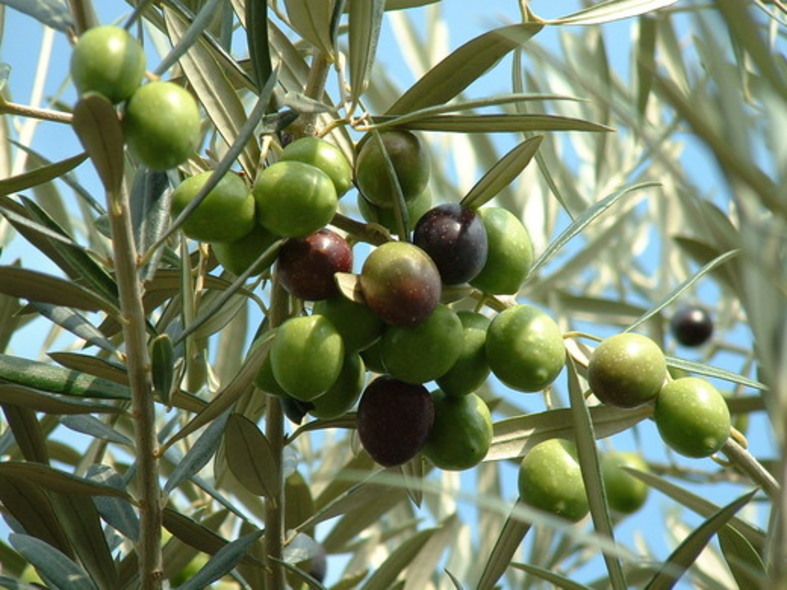

Olive leaves are rich in the trees phenolic compounds exhibiting antioxidant levels 30 – 40 times higher than those found in Olive Oil. Anti oxidants help keep our bodies functioning at their best – keeping the effect of harmful free radicals in check – free radicals are well known for causing damage which leads to premature ageing, cancer and many other diseases.

Plants from the Mediterranean have developed high levels of antioxidant defences to protect themselves against environmental stress. Just as these anti oxidants protect the plant they also protect us from ageing and disease. And due to the high number of antioxidants occurring in olive leaf they all work synergistically to provide far superior anti oxidant protection.

OLIVE LEAF FOR IMMUNE SUPPORT

The winter season brings with it plenty of sniffles, sore throats, colds and the dreaded flu, which can certainly leave us feeling under the weather somewhat. How well we cope with infection or recover from diseases is a direct reflection of how well our immune system is functioning. Recurrent infections or illness are a clear indicator that you immunity may be low.

Olive leaf has been used for centuries in many cultures for medicinal purposes and is constantly recommended to boost the immune system, particularly for those who suffer from recurrent infections. Common conditions where olive leaf has been effective in boosting the immune system include colds & flu, ear infections, warts, cold sores, urinary tract infections, yeast issues and many more.

It is thought to work by supporting your body’s innate immunity through interaction with white blood cells known as macrophages. By improving the function of macrophages, our first line of defence is increased and our ability to repel harmful microorganisms enhanced.

In laboratories, olive leaf has been demonstrated to be effective against various viruses, bacteria and fungi, for example, E.Coli, salmonella, helicobacter pylori, herpes simplex, influenza and candida.

Alongside its benefits for Immune Health and antioxidant support, evidence is also emerging to show that olive leaf may offer significant benefits for a number of health conditions such as arthritis, high cholesterol, increased blood pressure, pain, and increased blood glucose levels. It may also offer bone protection which is particularly useful for conditions such as osteoporosis and also reduce signs of premature ageing, whilst aiding skin conditions.

Olive leaf extract is available to buy from Bare Health in liquid and tablet form. The ‘fresh’ extract is considered to be the most effective and beneficial.


Caution should be taken if you are already taking prescribed medication as Olive leaf may enhance the effects of some prescription medication. Always seek the advice of your GP or healthcare professional if you are under medical supervision.

For more information on olive leaf please contact Bare Health on 01260 408413 or email you enquiries to mel@barehealth.co.uk


References available on request.

Complementary Therapies at Bare Health


Bare Health Holistics

I'm sure many of you will be aware of Bare Health, Independent Health Store in Congleton, Cheshire, however, did you know that there is also a busy Complementary Therapy Centre within? 


'Bare Health Holistics' operates from three bespoke treatment rooms within Bare Health and has a resident team of ten fully qualified, experienced and professional therapists who are able to offer a diverse range of complementary therapies to treat mind, body & soul. Click 'here' to find out more about our therapists


For whenever you need a little pampering and relaxation or you are looking for a complementary approach in tackling a particular health issue, be it physical, psychological or emotional, the team at Bare Health Holistics are experienced in guiding & supporting you to restore your healthy balance.


Treatments Tailored to Your Needs

All treatment plans at Bare Health Holistics are designed to cater for your individual needs and the team will refer you to the practitioner/s best suited to your needs at that moment in time. You might feel the benefit from a 'one off' appointment or you may require a number of sessions with different therapists. The aim being to work with you and your desired outcomes so you get the most from your session. We are also able to offer treatment packages - a multi-disciplinary approach that lets you truly embrace the 'Holistic' Approach to Health.

Extensive Range of Therapies

We have put together an extensive range of treatments that address the physical, psychological and spiritual aspects of holistic health. From Homeopathy, Massage, Reiki, Reflexology and Facials to Life Coaching, Counselling, Nutritional Consultations & Bach Flower essence consultations. This is just a small selection of whats we have to offer. For our more in depth listings,you can now Browse our list of therapies and 'download' our treatment brochure online to see our full treatment range. And don't forget to keep an eye on our treatment Special Offers page too, this is where you can make some great savings!


New for 2014

Joining the Bare Health team of Holistic Therapists............

We are thrilled to have Catherine Schofield joining our team of therapists in January 2014. Catherine is a Medical Herbalist who holds a first class honors degree in herbal medicine and is registered with the National Institute of Medical Herbalists. She will be extending her busy Stockport Practice to hold regular clinics at Bare Health. To find out more about what to expect from a consultation in Herbal Medicine click 'here' or alternatively you can email here at catherine@naturesbestmedicine.com

Oriental Thai Foot Massage

Traditional Thai Foot Massage is a combination of acupressure, energy balancing and stretching exercises. Thai foot massage is practised everywhere in Thailand and is a part of everyday life, using techniques that date back over 2000 years. The treatment focuses on the lower legs and feet with the therapist applying a range of pressures and techniques using their hands, thumbs and a wooded acupressure massage tool to stimulate and balance the body's systems and energy/chi by addressing the Sen lines and Pressure Points. 

Special Introductory offer - £25 Saving £5!

"An invigorating yet relaxing massage, what a wonderful experience for my tired, aching legs and feet after a long day of Christmas shopping. As a runner, I also found this treatment to be of great benefit, especially the calf massage which helped relieve muscle tension and disperse some of those painful knots. This treatment is unlike anything i've had before. I would highly recommend it and sue is a true professional. I will be back for more"                                                                                                                                                                                                                                                  Lisa B.

For more information or to book an appointment please call Bare Health on 01260 408413 or email mel@barehealth.co.uk


Thursday, 21 November 2013

Garlic - Nature's Defender against Infection & Superbugs


Did you think that Garlic could only be used to ward off vampires?? Then think again.

Allium Sativum commonly known as garlic has a history of human use of over 7000 years dating back as far as the ancient Egyptians – bulbs of garlic was even found in Tutankhamun’s tomb, placed there to protect him against evil spirits in the afterlife. But these days we are more familiar for its culinary and medicinal purposes.

There is a wealth of research available demonstrating the various benefits that Garlic can have on health. From helping reduce cholesterol and blood pressure to supporting Immune Health. However, were you aware that an extract taken from garlic known as Allicin (a sulphur compound produced by the crushing or chewing of garlic) has been hailed as nature’s natural antibiotic, having a broad spectrum anti bacterial activity? With evidence highlighting its extraordinary potential to kill some of the deadly strains of bacteria such as MRSA (Methicillin Resistant Staphylococcus Aureus) where conventional antibiotics have previously failed.

Allicin is the compound that is produced from the interaction of two other garlic compounds Alliin and Allinase, under normal circumstances it is a very unstable molecule that quickly breaks down into other sulphur compounds. However, a research company called Allicin International has developed and patented a method of capturing and stabilising Allicin from fresh garlic, which is then dried to form a powder and encapsulated. This exciting innovation called AllicinMax has now been shown to combat superbugs such as MRSA, which over recent years has been the cause of numerous deaths in hospitals.


 BUY NOW


The stabilising process ensures the active ingredient can be converted and distributed in the body to where it is most needed. AllicinMax is the only product available that is known to contain Allicin in its stabilised form.

Research carried out by Dr. Ron Cutler of Queen Mary University, London, supports the claim that Allicin can in fact combat MRSA and other secondary infections which can be contracted whilst in hospital. Using samples of the MRSA bacteria in his laboratories, Dr. Cutler and his team successfully used allicin to eradicate any trace of the infection.

The researchers at Allicin International have also shown AllicinMax to be a powerful weapon against E-Coli, Salmonella, Helicobacter Pylori and many other bacterial infections.

In addition it has many anti fungal and anti viral applications. It is particularly beneficial during the winter months as a preventative – research confirming a 60% reduction in the likelihood of developing a cold and should you be unlucky and fall prey to colds & flu, then it has also been shown to reduce symptom duration and reduce the chances of re-infection.

AllicinMax can be taken orally in capsules and also applied topically as a cream or gel.

It is available to buy at Bare Health, your local Independent Health Store & Holistic Treatment Centre.

 ALSO AVAILABLE ONLINE at www.barehealth.co.uk

 For more information please call Bare Health on 01260 408413


Always seek the advice of your GP or Healthcare professional if taking existing medication or have a prescribed medical condition.

Wednesday, 20 November 2013


COMING SOON to Bare Health 

Metabolic Assessments with Pete Byworth 
of 


Do you have problems maintaining a healthy bodyweight? Are you a keen Sportsperson who would like to improve your Sports Performance?

If so our new Metabolic Assesment Clinic at Bare Health may just be the thing you need!

Why take a metabolic assessment?


Guessing is not an intelligent choice if there is a better alternative available. Trial and error is not a sensible strategy if time is of the essence.


How many calories a day do I need? Remember, even if the quality of your nutrition is excellent, if the quantity represents more than you require, you will gain weight (and the surplus will be stored by the body as fat).
How many calories of fat am I burning at different heart rates? Where is my lactate threshold? At what exercise intensity am I burning only carbohydrates? What is my maximum heart rate? What is my ideal race-pace? How should I be training, how hard, how often and how long?
The duration and intensity of your exercise will dictate the affect that exercise has on you – what physiological adaptations are provoked. If either of these key variables is misinformed, then the results achieved may be undesired, or at least, not what you primarily intended-not the best use of your time.
A metabolic assessment allows you to address all of these questions and more, providing you with specific solutions that are completely personal to you.

What happens in an assessment?


There are two types of assessment available, an RMR (resting metabolic rate) and an Exercise assessment (VO2max or Sub-max). The two assessments are each allocated an hour, compliment each other and most people do both as either a ninety-minute or a two-hour combined assessment.

The RMR Assessment: You will be asked to put on a soft, pliant neoprene (the same material wetsuits are made from) mask and sit quietly in a comfortable chair for about fifteen minutes. All you have to do is breath through your mouth naturally and relax. The mask has a breathing tube that is attached to a gas exchange analyzer, and that to a computer that records and analyses the measurements taken (the amount of oxygen you are using and the amount of carbon-dioxide you are exhaling).

The Exercise Assessment: The exercise assessment is typically done on a bike or a treadmill and lasts twelve to fifteen minutes. You wear the same mask you did for the RMR and it is attached in the same way. We usually use a ramped protocol, which means that progressively the exercise intensity becomes harder over time, either until you can no longer continue at that intensity in the case of a maximal assessment, or, until the point where you stop burning any fat (anaerobic threshold) for a sub-maximal assessment. After this point is reached, you will be able to gently cool down and stretch.


What information is gained from an assessment?


The RMR assessment measures the daily calorific requirement for the maintenance of your present weight. From here targets can be agreed depending on your goals. It also establishes your metabolic type-whether you are predominantly a FAT burner at rest or a CARBOHYDRATE burner, the implications of which will be discussed in the consultation.
The Exercise Assessment provides a complete metabolic profile of your bodies varying responses across a range of intensities. It maps heart rate, oxygen uptake, carbohydrate usage, fat usage, total calories used, lung function, lactate build up and recovery rate (among other things). It provides the recognized Gold Standard evaluation of aerobic and cardiovascular fitness.

What do I get after the assessment?


At the end of the practical part of the assessment we will analyse and interpret the results in the context of your own goals, aims and objectives, be they quite generic in nature (successful weight management, reduction in body fat and a good level of fitness) or be they very targeted and specific (how best to preparation for a marathon/triathlon, establish race pace for the E’tape or how to go sub-12, 11, 10 hours at an Iron man etc).

You will have chance to ask any questions you want, talk about diet, training, rest, training schedules or perhaps things you have suspected or been told and always wondered about and have wanted to corroborate. Where relevant (RMR), we will articulate specific calorific guidelines in order that you meet your weight management goals. We will talk through specific training prescriptions and strategies based upon your results, the time you have available and your primary aims.

You will be given bespoke training zones, your lactate threshold and tolerances, anaerobic threshold, lung capacity, highest heart rates, VO2max/sub-max, total calories used at all intensities, fat calories versus carbohydrate calories at all intensities and a number of additional measurements.

As well as all of the above, we can send you the full assessment data along with a detailed report covering everything discussed during the assessment and presented in an easy to digest format. Included in the price, we also offer you post assessment support via email in order to assist with any questions or queries you may have further down the line as you start to implement the reports suggestions and findings.

You can read one client’s blog post and see a short video clip of his test here: http://www.trainstravels.co.uk/2010/09/19/metabolic-testing-twenty-minutes-of-pain-for-months-of-better-training/

You can also read a great article by Mat Brett (Ex Editor of 220 triathlon magazine)

For a limited period we are thrilled to be able to offer great introductory discounts for these tests at Bare Health:

1) RMR £45.00 (RRP £80.00)

2) Exercise testing £75.00 (RRP £150.00)

For more details on this service please contact Bare Health on 01260 408413 or email admin@metabolicsolutions.co.uk


Why wait? Be the best you can be, today!


Wednesday, 30 October 2013

Winter Wellness @ Bare Health


What steps are you taking this winter to help banish the sniffles, colds, bugs & flu?


Keeping your Immune System in tip top shape is vital to avoid the misery that the cold season can bring. This winter we will bring to you the best in Immune Support, from healthy eating tips, Immune boosting foods, natural remedies and Complementary Therapies to help you stay fighting fit over the winter months.

In this blog the focus is on Beta Glucans and their role in Immune Support

A relatively new supplement, Beta Glucans are a scientifically proven defence modifier (BDM) that nutritionally potentiates & modulates Immune response. They are derived from Yeast cell walls, various fungi, grains and medicinal mushrooms such as shiitake & maitake. Research has identified different types of Beta Glucans, however it is the Beta-glucans 1-3, 1-6 that are notable for for their abiltiy to modulate the Immune system.

So how do Beta Glucans work?

In the late 1980's Dr. Joyce Czop, at Harvard University, described the mode of action of this material in stimulating the immune system: there is a specific receptor for beta-1-3-glucan on the surface of certain cells, called macrophages, (macrophages engulf and then digest cellular debris and pathogens either as stationary or as mobile cells, and stimulate lymphocytes and other immune cells to respond to the pathogen) and when activated, these macrophages stimulate a cascade of events turning the body into "an arsenal of defense".

For many years now Beta-glucans have been the subject of numerous studies, particularly for their immune enhancing properties and their ability to activate macrophages. A recent clinical human trial (jan 2013) appeared in the European Journal of Nutrition proving that Beta-glucans 1-3, 1-6 help prevent colds, improves symptoms and increases the body's potential to invade against invading pathogens.


Support you Immunity, naturally with Beta-glucans from Bare Health

Help maintain your healthy immune balance this winter with Solgar Beta Glucan Immune Complex. A comprehensive formula of six key nutrients with a berry blend. The ideal supplement for times when your body requires that little extra support.

Get the benefits of Beta-glucans with the additional support of other key ingredients that aid your innate immunity

Key Ingredients: As well as Beta-glucans this formula also contains:

Vitamin C
Berry Blend (Standardised Elderberry, Blueberry & Acai)
Zinc
Selenium
Copper
Vitamin D3

Sugar, Salt & Starch free

Directions for use: Two per day with food


Natures Answer Maitake Bio-Beta-Glucan 60ml

A quality Beta-glucans supplement in liquid form.

A highly active fraction of the Maitake Beta-1,6-glucan chain with Beta-1,3 branches. Maitake Bio-Beta-Glucan has been shown to promote a healthy immune system.

Directions for use

As a dietary supplement take 1 ml (approx. 28 drops) 3 times a day in a small amount of water.
Each serving contains: Maitake mushroom fruiting body extract.

Guaranteed to contain a minimum of 14 mg. of Beta-1,6-glucan with Beta-1,3 branches 50 mg


If you would like more information on any of the products contained within this blog do pop into the store - we are always more than happy to help

References:
www.betaglucan.co.uk
http://betaglucan.org

If you are pregnant, nursing, taking any medication or have a medical condition, always consult your GP or Healthcare professional prior to taking any of the products mentioned in this article

Supplements should not be used in place of a balanced, varied diet.


Tuesday, 22 October 2013

Raising Awareness - The Importance of Vitamin D


National Vitamin D Awareness week – a campaign to banish the ‘buts’


The second annual National Vitamin D Awareness Week starts on the 21st October, the last week of British Summer Time.
The campaign aims to spark a national debate and get the nation talking about how much vitamin D we really get from the sun and our diet, and the steps at risk groups should take to avoid deficiency.
Andrew Thomas, founder and managing director of awareness week supporters BetterYou, said: “Vitamin D deficiency is one of the most important lifestyle problems facing us today; people need access to the right information in order to take action. 
“There are so many misconceptions surrounding vitamin D. ‘But I eat well,’ ‘but I have just been on holiday’, ‘but I am often outdoors’, ‘but I wasn’t told I needed vitamin D’ and so on. This campaign seeks to change those attitudes through high impact visuals and honest debate, setting a new agenda for how we think about vitamin D in this country.”

So what is Vitamin D and why do I need it?
Vitamin D, often referred to as the sunshine vitamin is essential for healthy teeth and bones and an efficient immune system. Our bodies naturally produce vitamin D by synthesizing ultraviolet light from sunlight. However, people not sufficiently exposed to the sun may not synthesise sufficient vitamin D to meet physiological requirements. And as the dark nights draw in and we catch fewer glimpses of the sun, the chances of our developing a deficiency increases. In fact, some researchers suggest that one reason that we are more prone to colds, flu and infection in winter is due to reduced vitamin D production as a result of darker days.

Think, how much Sun exposure do you receive each day?
Our national state of health with regards Vitamin D is a growing cause for concern. Requiring 2-3 hours of unprotected sun exposure every week to produce the essential levels of Vitamin D. Many of us are not achieving this. The problem is exacerbated by the use of sun screens which further hinders Vitamin D production.

So why are we at risk and who falls into the most vulnerable groups?
Firstly, we live in a northern climate and unfortunately the UK is one of the cloudiest countries in the industrialised world – cloud cover and sun dramatically reduce our ability to produce vitamin D. Air pollution further hinders our ability to produce vitamin D. Polluted air soaks up UVB or reflects it back into space. Secondly, due to the demands of modern life we spend more time indoors – children playing computer games, internet browsing, work pressures lead to a lack of leisure time and thirdly we cover up to protect ourselves from the sun and lather on the sun cream.
Simon Pearce, Professor of Endocrinology at Newcastle University says “Kids tend to stay indoors more these days instead of enjoying fresh air. This means their vitamin D levels are worse than in previous years”
Certain groups of the population have been identified as being more vulnerable to vitamin D deficiency – Pregnant and breastfeeding women, People over the age of 50, Children Under 5, The housebound and those who cover up when they go outside, vegetarians and people who have darker skin
In a recent survey by BetterYou it emerged that 90% of mums were not advised to take vitamin D during pregnancy and many of those questioned did not realise they were an at risk group and recognition of at-risk groups for deficiency was also worryingly low. This only highlights the necessity for a national campaign to raise awareness of the importance of Vitamin D.


Debunking the misconceptions
Together we can help raise awareness of this crucial campaign and banish the buts! This year’s key messages are:
But I have a healthy diet –
You’d still need to drink 80 glasses of milk a day to maintain a healthy level of vitamin D. Banish the buts…only 10% of our essential vitamin D comes from our diet, mainly from oily fish and eggs.
But I’m often outdoors –
The UK is one of the cloudiest countries in the industrialised world.
Banish the buts…cloud cover and low sun dramatically reduce our ability to produce vitamin D.
But I wasn’t told I needed vitamin D –
90% of mums have not been advised about the importance of vitamin D.*
Banish the buts…the Department of Health identify those pregnant and breastfeeding as ‘at risk’ groups requiring supplementation

How to boost your Vitamin D levels

With only 10% of our vitamin D levels coming from food our Vitamin D requirements cannot be met through diet alone. So this leaves us to make up the other 90% through increasing our exposure to sunlight (which is easier to do during the summer months but becomes increasingly difficult as winter sets in) or by supplementation. According to a recent update from the prestigious Harvard Medical School, to ensure an adequate intake of this vital nutrient supplementation is advised. It is important to make sure you are taking a good quality vitamin D supplement in the form of D3 (Cholecalciferol). Vitamin D3 is the type of vitamin D your body produces in response to sun exposure.

Your local health store can advise you on the best form of vitamin D to take and how to take it. It is available to buy in the form of tablets, capsules, liquid or an oral (sublingual) spray.

Most people can take vitamin D supplements with no problems. However, care is needed in a few situations. It is always advisable to check with your GP if taking prescribed medication or have a diagnosed medical condition as there are certain situations where Vitamin D supplementation may not be advised or certain conditions may warrant higher doses to be administered.

For more information on Vitamin D and how it may help you please call into Bare Health, Congleton or call us on 01260 408413. We are always happy to help.

 To find out how Bare Health is getting involved with Vitamin D awareness week check out our facebook page ‘Bare Health’ page or follow us on twitter @barehealth1


You can also get involved with the campaign via Facebook (facebook.com/NationalVitaminDAwarenessweek) or Twitter (@NVDAW_UK), share what you are doing and join the debate. 

Thursday, 10 October 2013

Bare Health Blog: The Benefits of Mindfulness

Bare Health Blog: The Benefits of Mindfulness: The Benefits of Mindfulness By Lisa Barlow Mindfulness is defined by some as being attentive and aware, non-judgmenta...